
Black Mold Removal Gainesville, FL
Black mold gets special attention for good reason — certain species are more likely to be associated with health complaints and often require stricter containment during removal. If you’ve spotted black, slimy-looking growth in your Gainesville home, the right first step is a professional assessment, not a bottle of bleach.
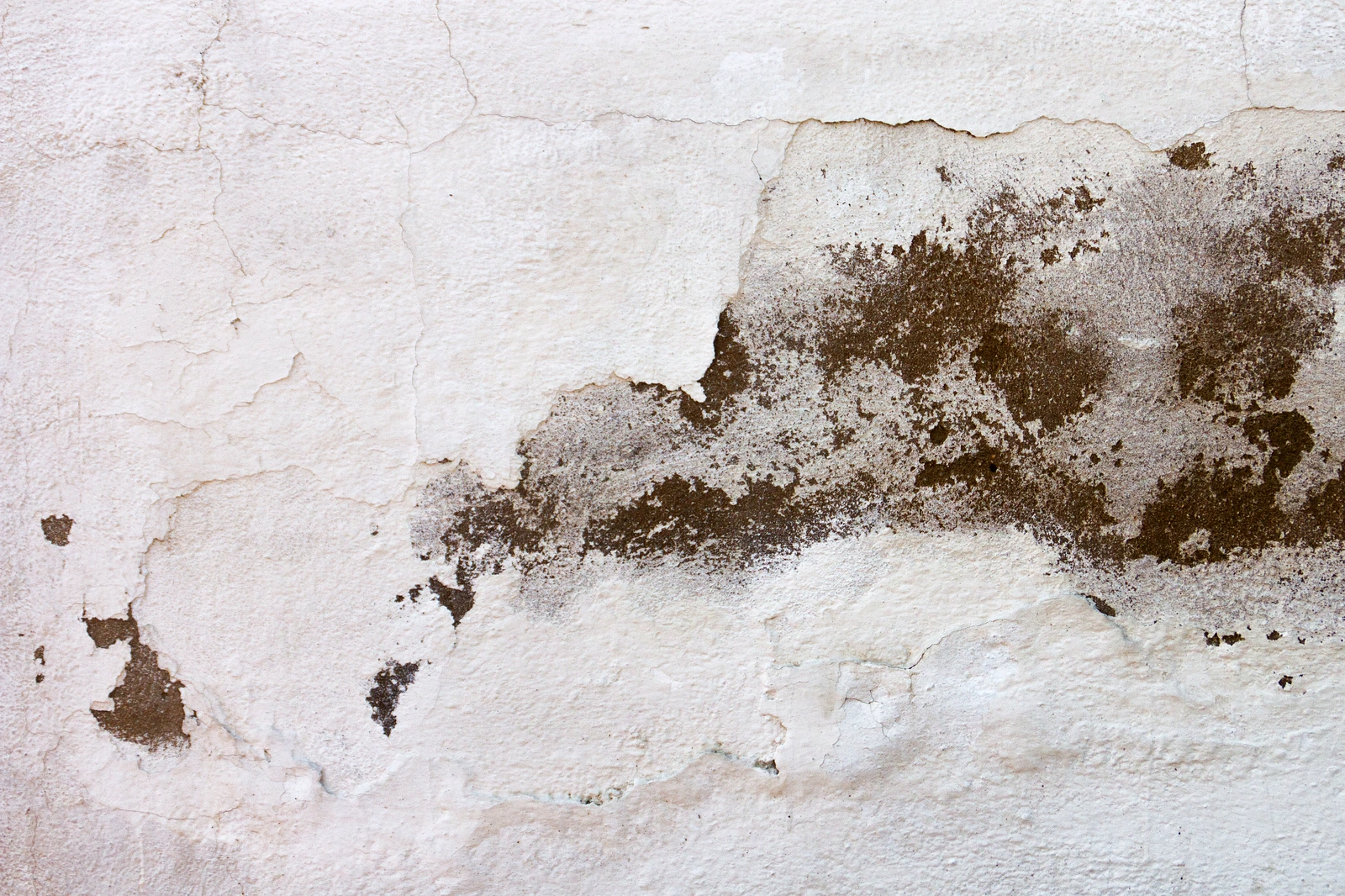
Why “Black Mold” Needs a Different Approach
Not everything that looks black is the toxic mold species people worry about, and not everything that’s a health concern looks black — this is exactly why testing matters more than color. What we can say clearly: any large area of black, water-associated mold growth should be treated as a job for licensed removal, not DIY cleaning, particularly if anyone in the home has respiratory sensitivities, allergies, or a compromised immune system. To see how black mold compares with the other molds that turn up in Gainesville homes, read our guide to types of mold found in Gainesville homes.
What Black Mold Removal Includes
- Assessment of the extent and likely species (via an independent, licensed assessor when appropriate)
- Strict containment and HEPA filtration to stop cross-contamination while contaminated, porous materials are removed and treated with antimicrobial solution
- Strict containment with negative air pressure to prevent spore spread during removal
- Full PPE for our technicians — respirators, gloves, protective suits
- Removal and safe disposal of contaminated materials
- Post-removal clearance testing
Signs You May Have Black Mold
Dark, often slimy-looking patches around a known water source — behind a water heater, under a sink, near a roof leak, or in a bathroom; a strong musty odor; recent water damage that wasn’t fully dried; unexplained allergy or respiratory symptoms in the household that improve when away from home. Black mold almost always signals an unresolved moisture source, so cutting out the visible patch without finding and fixing that source usually leads to regrowth within weeks.
Frequently Asked Questions
Is all black mold toxic?
Not all black-colored mold is a “toxic” species, but color alone isn’t a reliable way to tell — that’s why testing by an independent assessor is worth doing for anything beyond a small, easily explained spot.
Can I remove small black mold spots myself?
The EPA’s general guidance is that mold covering less than about 10 square feet can often be handled by a homeowner with proper precautions (gloves, an N95 mask, good ventilation). Beyond that, or if it’s recurring, call a professional.
How do I know if it’s black mold or just mildew?
Mostly, you don’t by looking. Surface mildew usually wipes off a hard surface and returns; mold that has colonized porous material stains it and comes back even after cleaning. Color isn’t diagnostic — several common indoor molds are dark. Testing is what settles it.
Is black mold a health emergency?
Reactions vary a great deal between people, and we’re not in a position to give medical advice — if someone in the house is unwell, that’s a conversation with a doctor. What we can say is that the remediation approach doesn’t change with species: contain it, remove what’s colonized, and fix the water.
Does homeowners insurance cover black mold removal in Florida?
It depends on the cause rather than the color. Mold that follows a sudden, accidental discharge is more likely to be covered than mold from a long-running leak or from humidity. We document conditions, readings, and work performed so you have what an adjuster asks for.
Related Mold Removal Services
- Mold testing and inspection in Gainesville, FL
- Bathroom mold removal
- Water damage restoration & mold removal
- Types of mold found in Gainesville homes